
Read the Case Study
Creative campaigns that connect and convert, data-driven strategies that deliver results and an online presence that equals powerful performance: if this is what you’re after, turn to WRD!
SEO isn’t just about rankings – it’s about results. With our 20+ years of experience, we’ve cracked the code on making search engines work for you.
Think technical SEO tweaks and keyword mastery meet customer-focused tactics and a healthy dose of creative flair to produce strategies that drive traffic, boost engagement and increase sales. As your SEO allies, our digital consultants will develop unique marketing campaigns that keep you ahead of the pack, generate leads and see your casual browsers become loyal customers.
WRD turns paid media into a digital powerhouse for your brand. Putting our 20+ years of know-how into practice, we blend smart tech tactics, customer insights and data-driven ideas to get the results that really matter.
PPC on Google Ads, Microsoft Ads and social media – we’ve got the skills to nail them all! We’re proven at boosting online visibility, driving leads and generating sales with our tailored digital campaigns. With WRD as your marketing agency, your brand can stand out and succeed across every ad platform.
At WRD, we’re all about creating websites that don’t just look great – they perform brilliantly, too. With lightning-fast loading speeds, effortless navigation and eye-catching imagery, your website will engage visitors and keep them coming back for more.
Our top team of design and dev pros work together from day one, seamlessly blending creativity, digital strategy and technical know-how. The result? A stunning, tailored site that’s easy to use, built to grow, and ready to shine online.
We say we deliver standout results with our PPC services and search engine optimisation campaigns, have the digital marketing know-how and are generally great partners to work with. But don’t just take our word for it! Our clients are happy to share how we’ve made their jobs simpler, their campaigns smarter and how they’re amazed at the results they’ve been getting!
Check out what they have to say – you’ll see why they stick with us!
At WRD, we take a friendly, down-to-earth approach to the delivery of our digital marketing services. But don’t be fooled – we’re serious when it comes to results! We’re a team of passionate problem-solvers, experienced consultants, insight seekers and creative thinkers who’ve built a reputation not just for smart strategies and bold thinking but also for having genuine care for our clients’ success.











Meet the WRD team! We’re a talented, friendly bunch who know how to make great things happen! Whether you’re looking for a strategic B2B digital marketing agency, or want an experienced partner to turn around your B2C marketing campaigns, we’re all about understanding your objectives and building real, long-lasting relationships with you. When you work with us, you’ll get personal attention right from day one, all the way through your journey with us. There’s no faceless corporation or bouncing from team to team. We’re here as your partner, understanding your vision to deliver results, and making the experience enjoyable along the way!
Over the last 20 years digital marketeers have spent a significant amount of time chasing the Google algorithm and, historically, there were big changes that had a fundamental impact on the SEO industry.
Artificial Intelligence (AI) is here, and it’s here to stay. It’s set to change the future of SEO and search in two key ways
Web Results Direct has been marketing websites since 2001. In digital terms, we’re ancient. We were one of the first SEO agencies in the UK- created before Bing, YouTube, Facebook and even Myspace. And we’d begun to look like it.
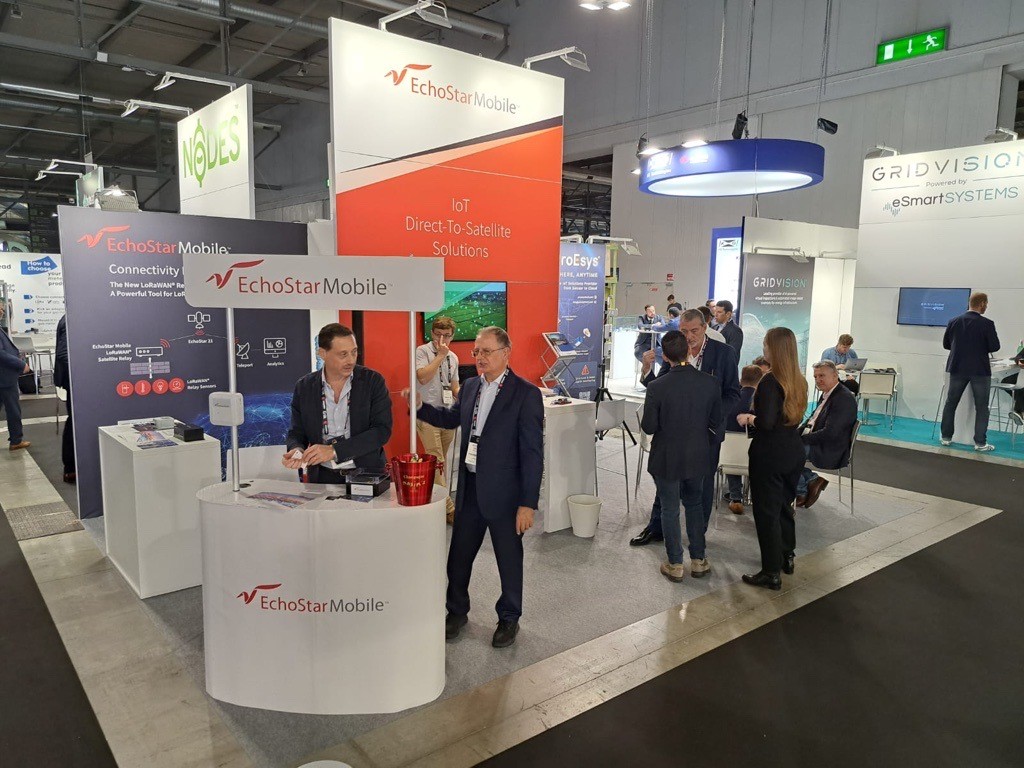
In this testimonial video, Mark Farish from Hughes Europe shares his experience working with us to enhance their rankings in search and building a strong presence on LinkedIn. Hughes Europe is a leading satellite connectivity company and needed an agency that truly understands their product. Our strategic social media efforts have positioned Hughes Europe as…
Almost everyone that has created a new website has asked themselves this question, “Do we use a domain name with www. or leave them off?” and often the decision made is due to personal preference, rather than asking “Is www. or non-www. better for SEO and website performance?” In this blog we are going to…